



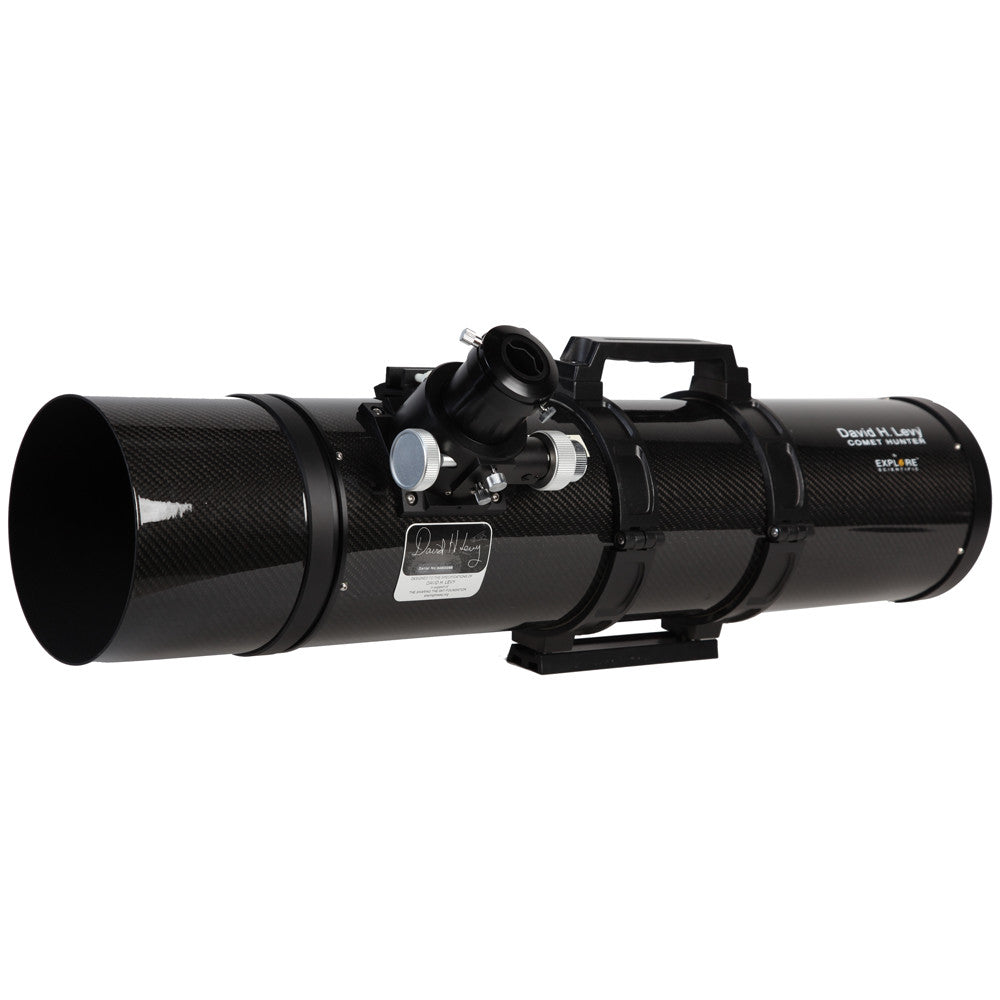
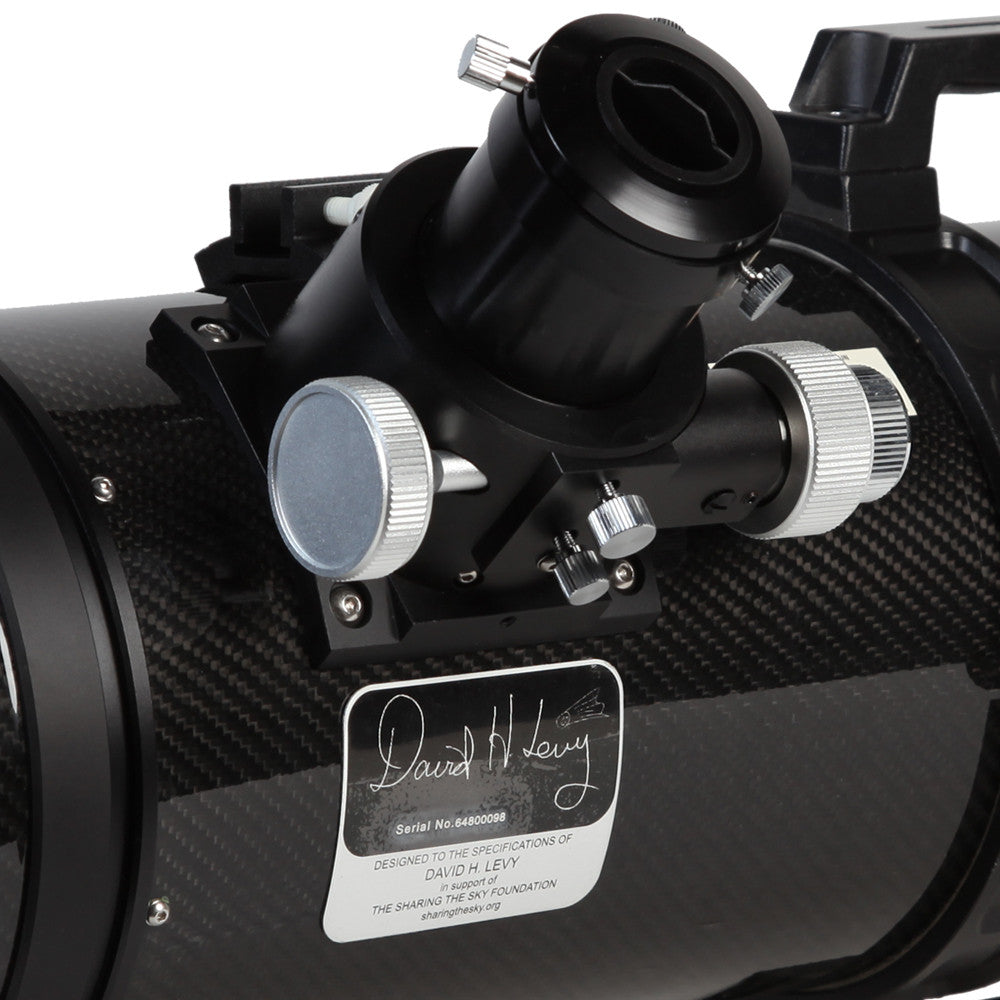
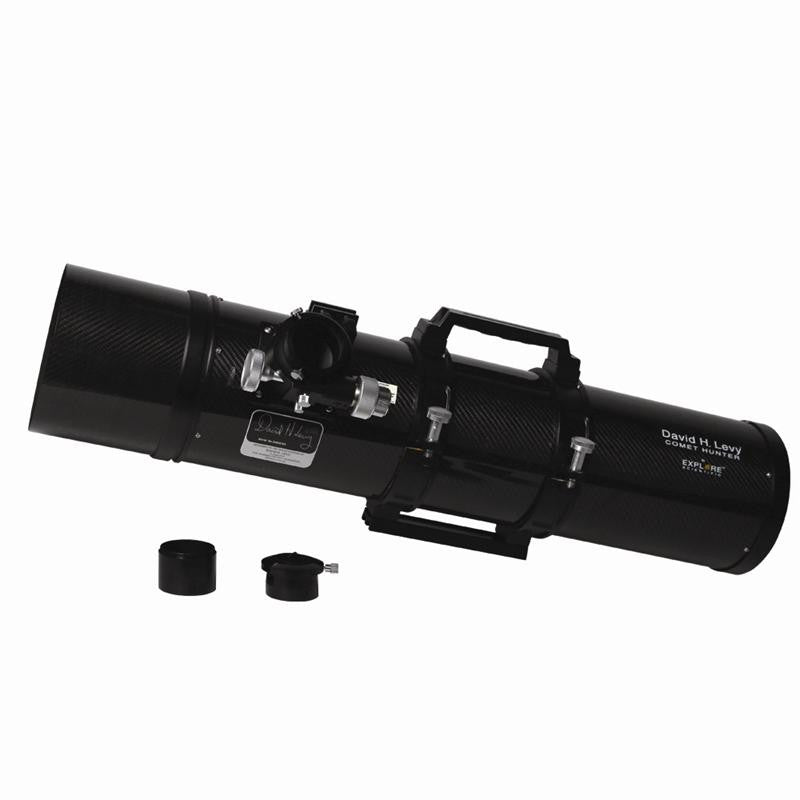
152mm David H. Levy Comet Hunter Maksutov-Newtonian Telescope
The David H. Levy Comet Hunter Is Back!
Limited Stock Available
The Explore Scientific David H. Levy Comet Hunter is back, but available in VERY limited quantities -- 2, to be exact. The units are new, never sold. They were opened at our facility in Springdale, Arkansas, for inspection.
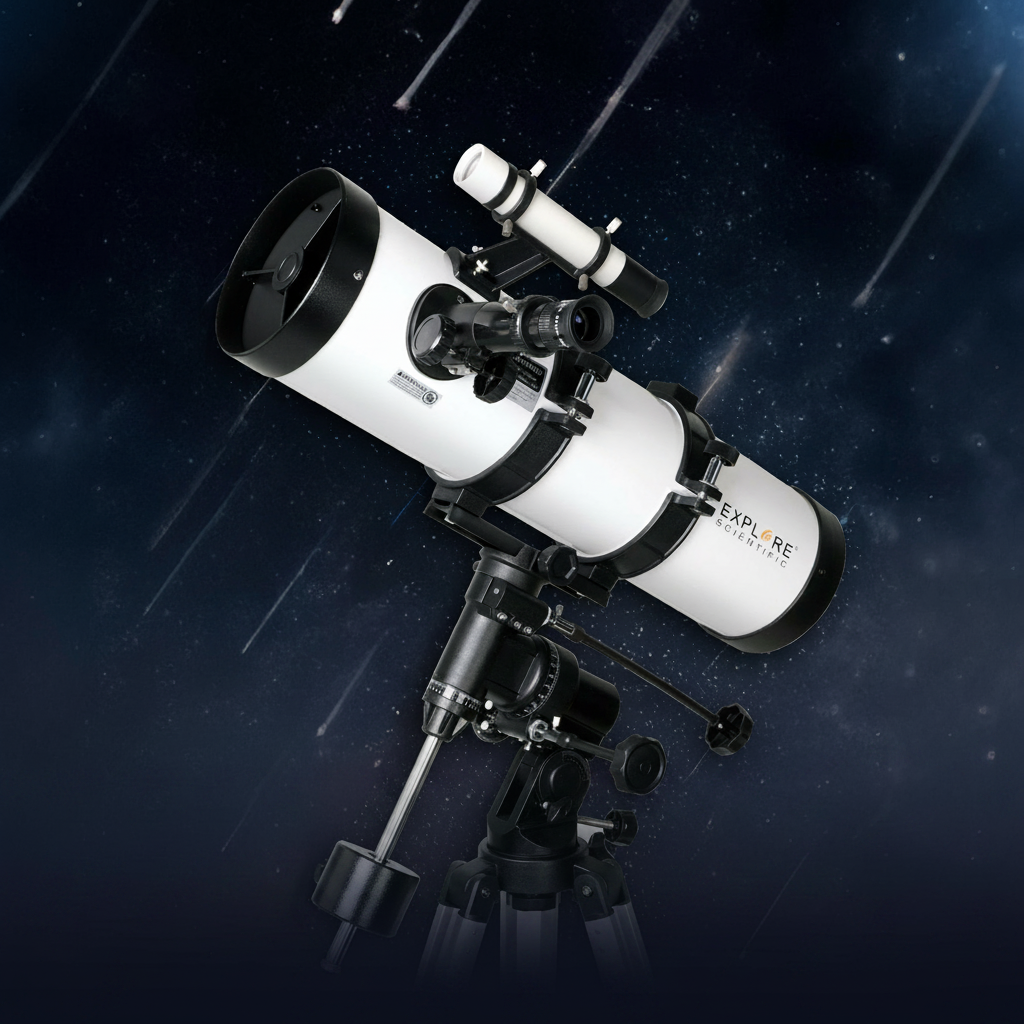
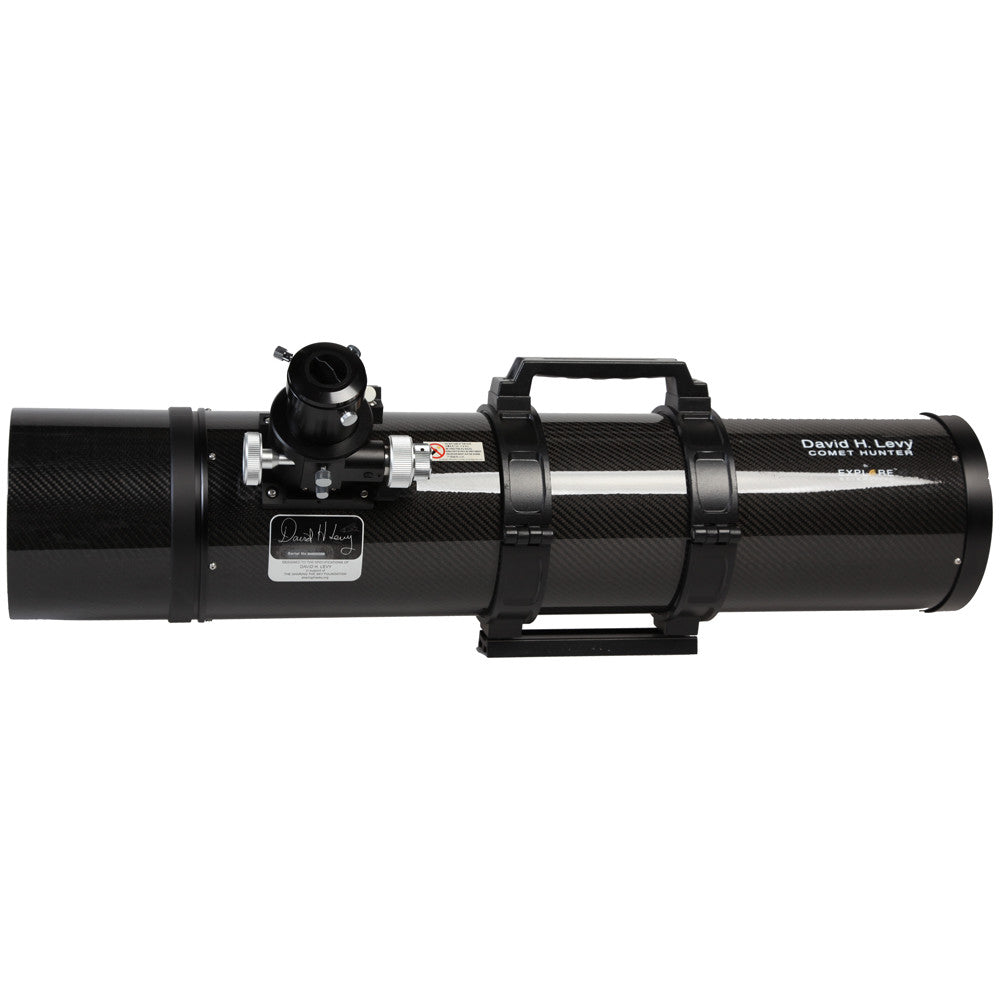
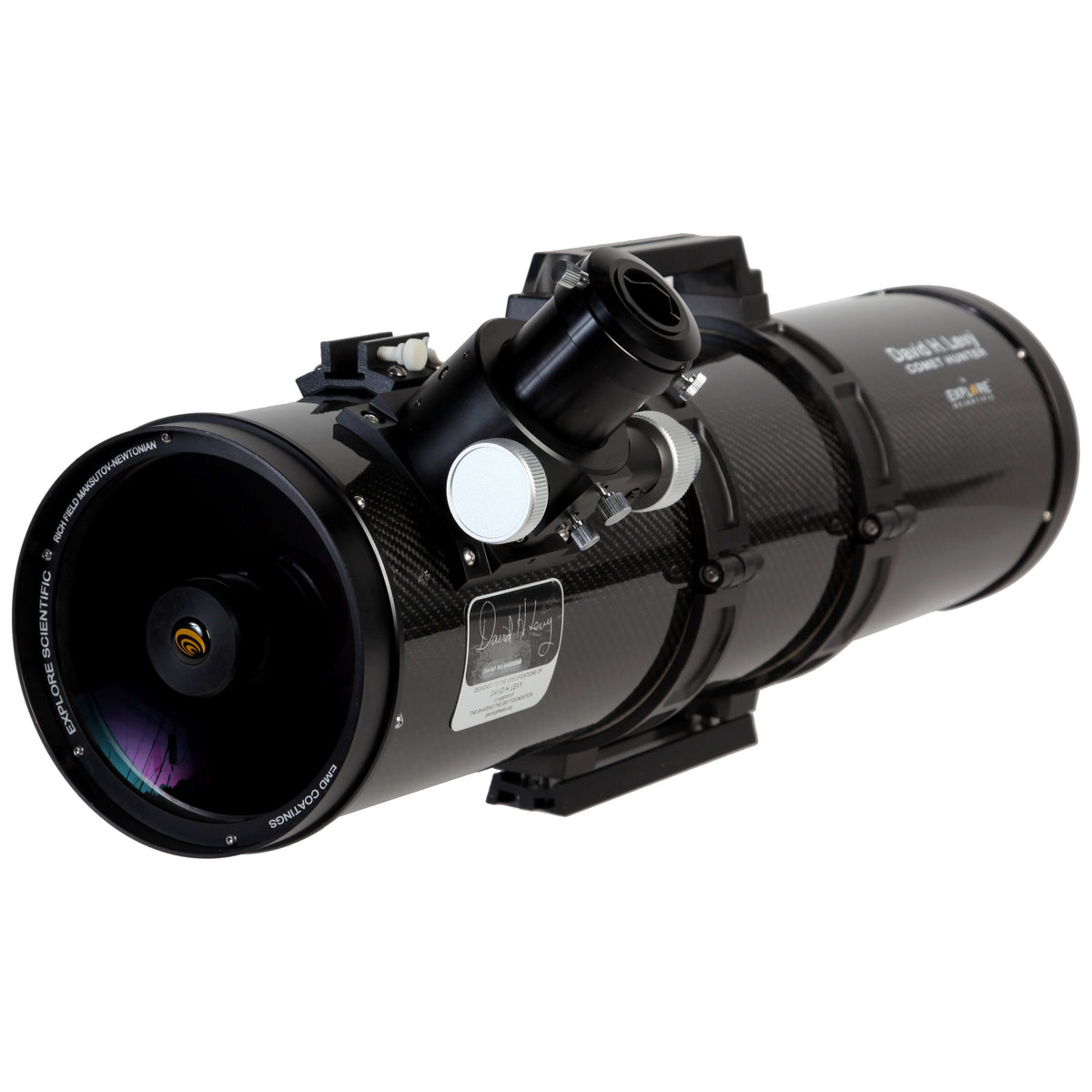
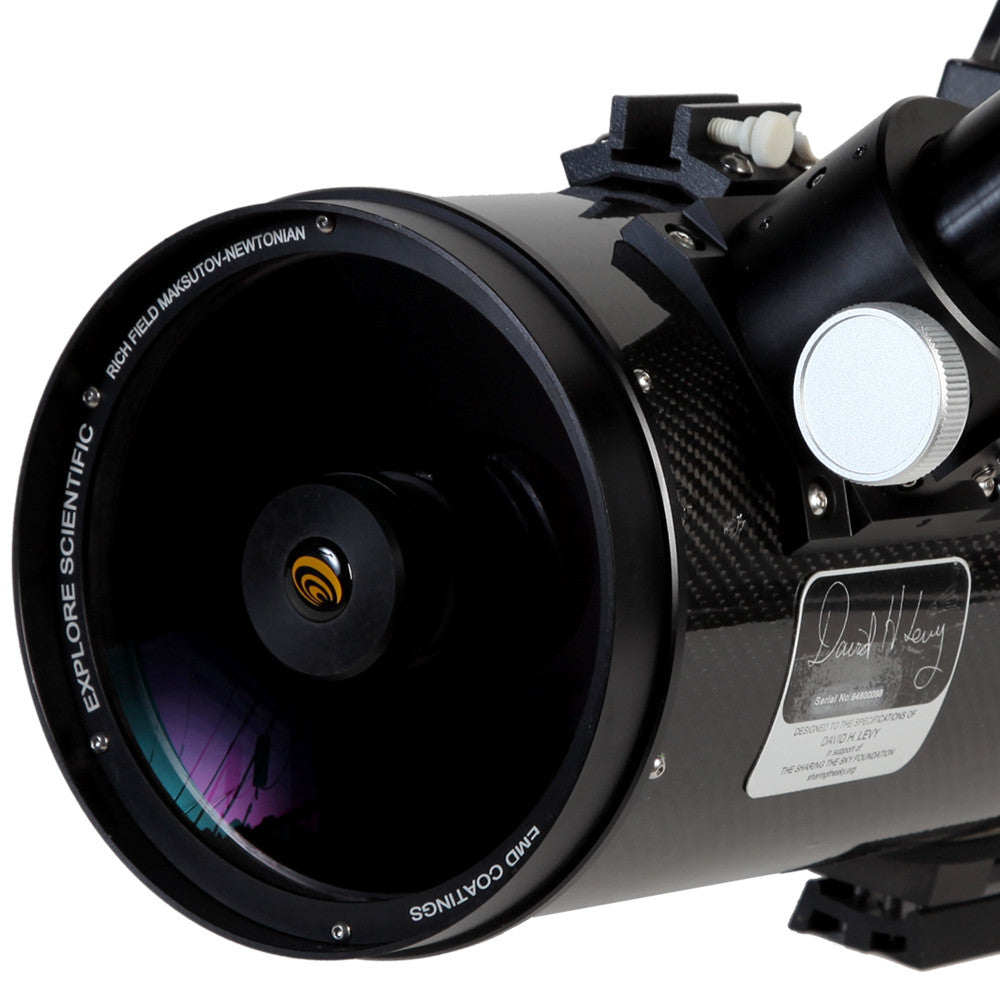
Designed in collaboration with legendary comet discoverer David H. Levy, the Comet Hunter combines a 152 mm aperture with fast f/4.8 Maksutov-Newtonian optics, and a lightweight carbon fiber optical tube to create a telescope that is equally at home with an eyepiece or a camera.
For astronomers who appreciate the wide-field performance of a Newtonian reflector, but desire a more highly corrected optical system, the Maksutov-Newtonian design offers a compelling alternative.
Fast, Wide, and Versatile
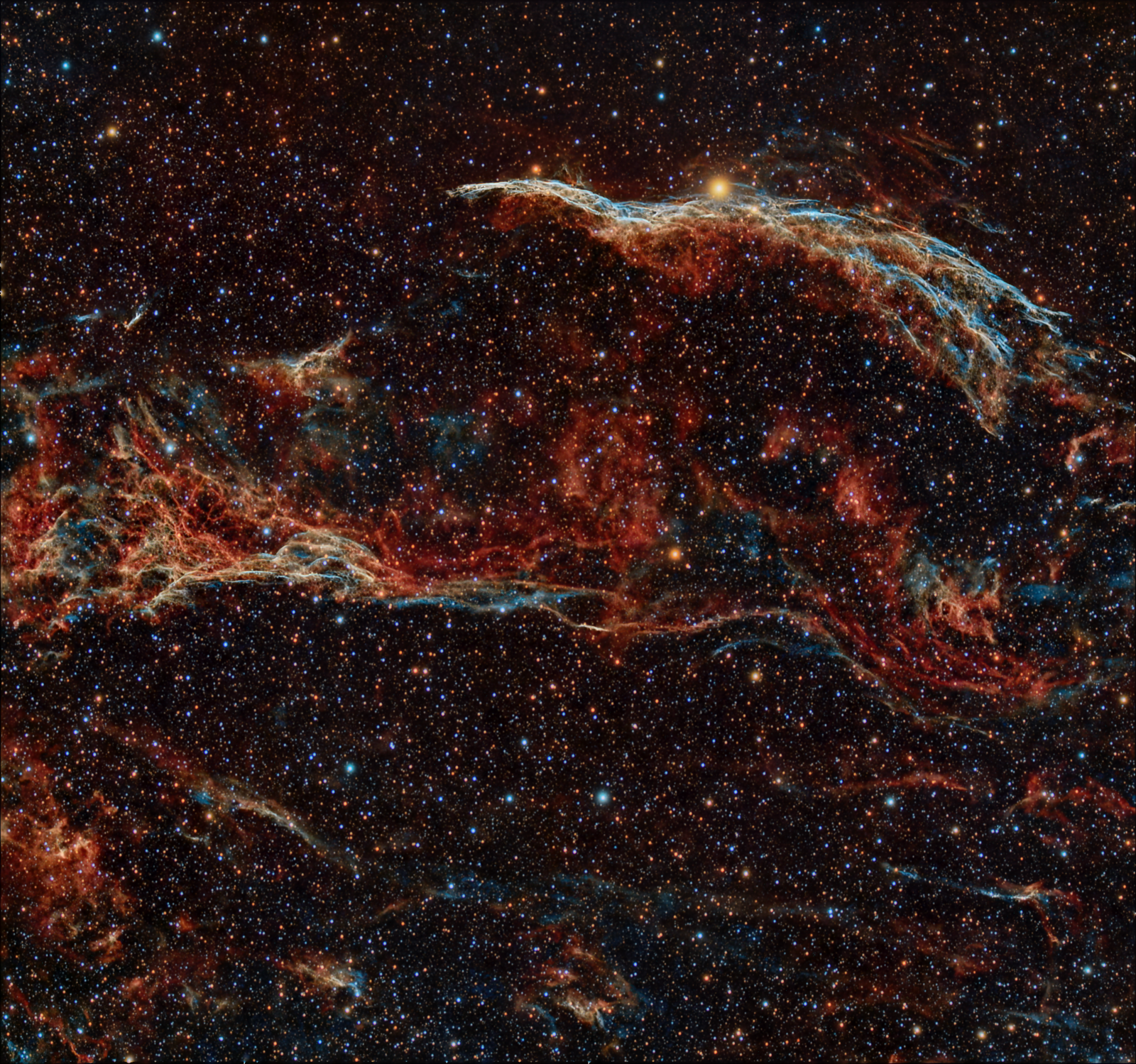
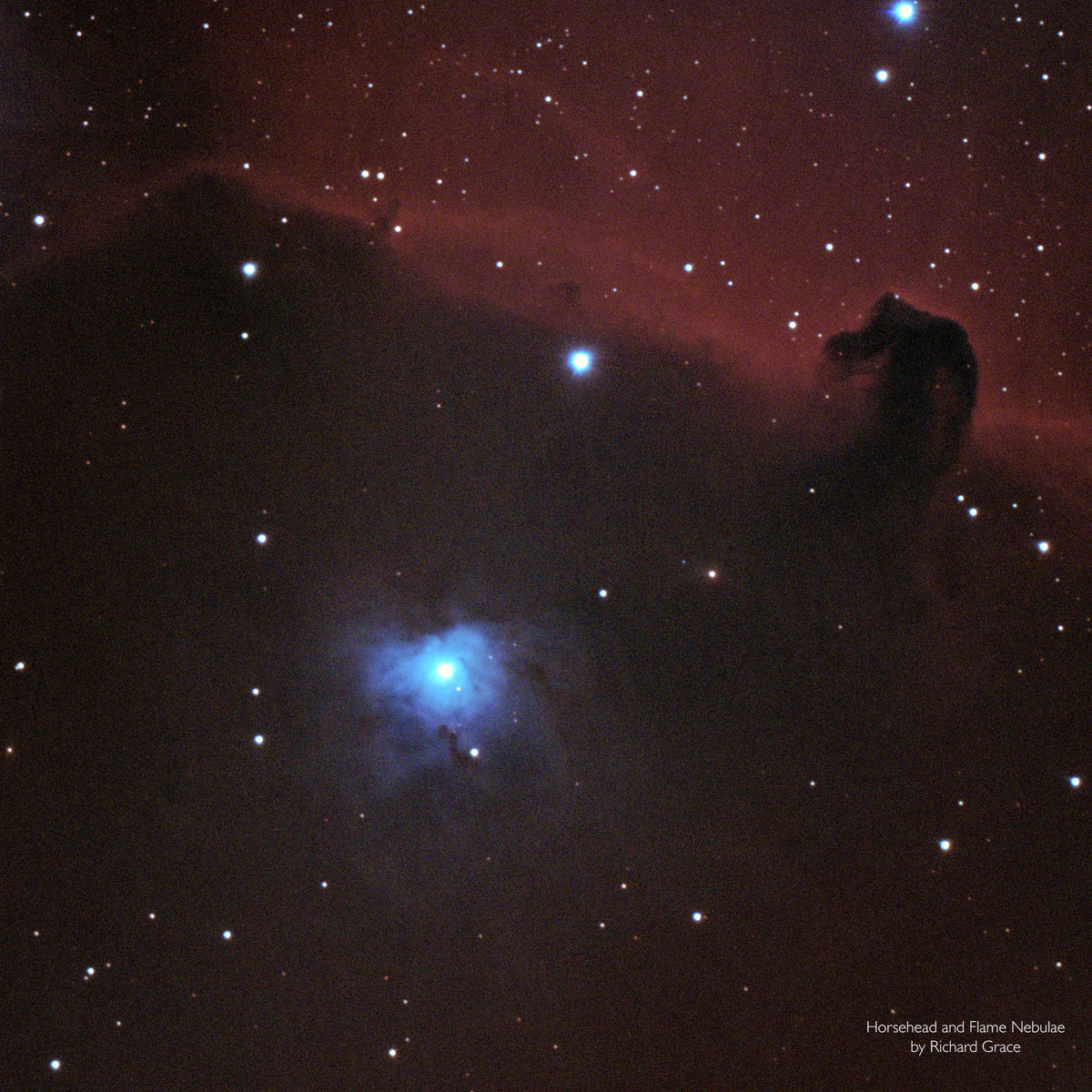
The Comet Hunter's 152 mm f/4.8 optical system delivers impressive light-gathering power and a wide field of view, making it ideal for observing nebulae, galaxies, star clusters, comets, and rich Milky Way star fields.
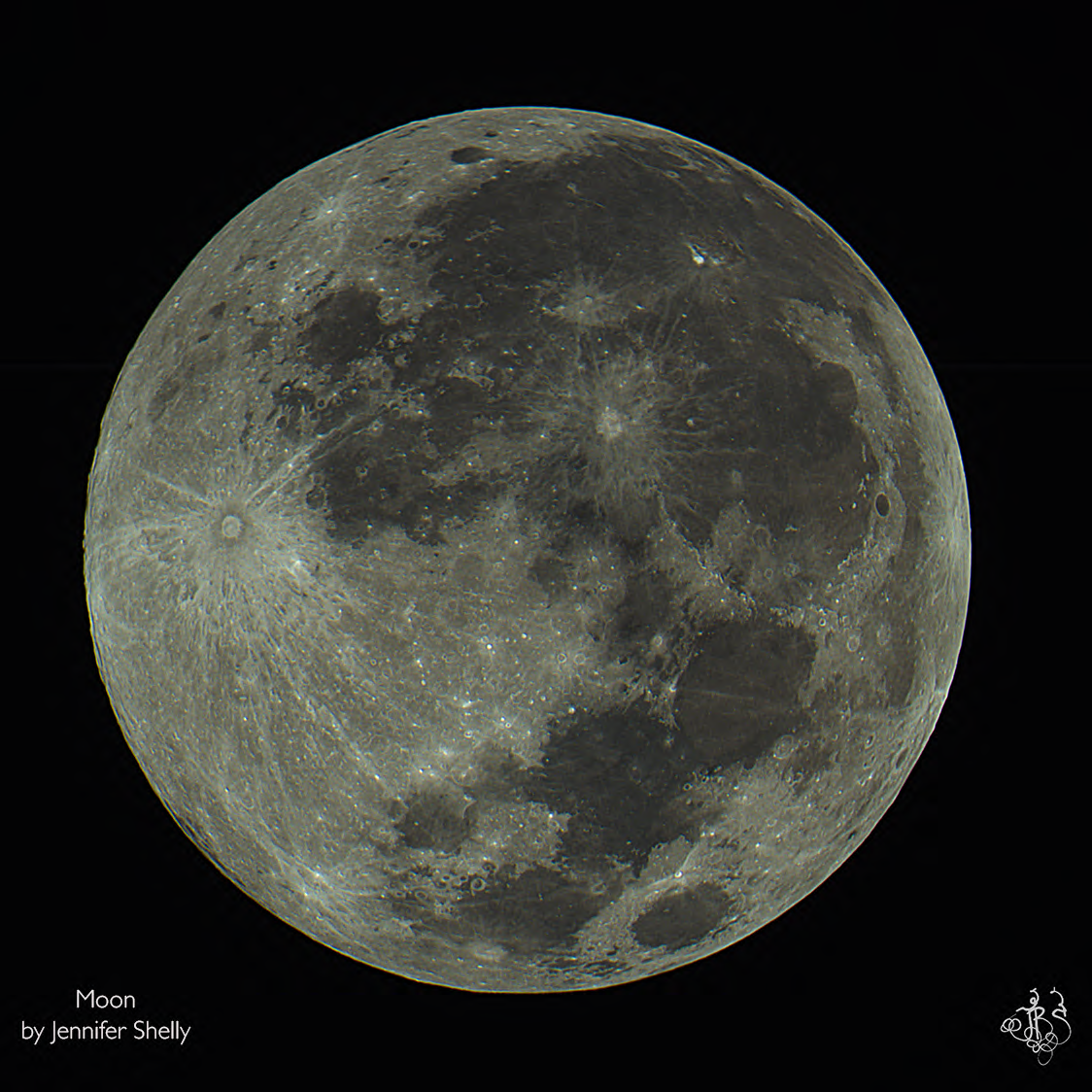
For astrophotographers, its fast focal ratio helps capture faint deep-sky objects efficiently while producing sharp, high-contrast images across a wide field. For visual observers, the same optics provide crisp views ranging from sweeping star fields to detailed observations of the Moon and planets.
The carbon fiber optical tube provides exceptional strength while keeping weight to a minimum. It also helps reduce focus shifts caused by temperature changes during long imaging sessions.
The Telescope's History
The Explore Scientific David H. Levy Comet Hunter is the result of a dream collaboration between longtime amateur astronomer and Explore Scientific founder Scott Roberts and one of his lifelong heroes, David H. Levy.
David is an author, lecturer, and discoverer of numerous comets and asteroids. He is perhaps best known as the co-discoverer of Comet Shoemaker-Levy 9, the remarkable comet that fragmented before impact, sending a chain of nuclei into Jupiter in 1994. Those impacts provided astronomers with an unprecedented opportunity to observe a major collision within our solar system.
Scott and David set out to create a durable, wide-field telescope capable of producing high-contrast, pinpoint star images, whether the observer was sweeping the heavens for comets, monitoring Jupiter's Great Red Spot, or imaging deep-sky treasures such as the Sombrero Galaxy or the Orion Nebula.
The design goals were clear: the optics needed to be fast, the optical tube lightweight yet robust, and every component built to withstand years of use, including countless trips to dark-sky observing sites.
What's Included in the Box
Product Specifications