



Reflector Telescopes
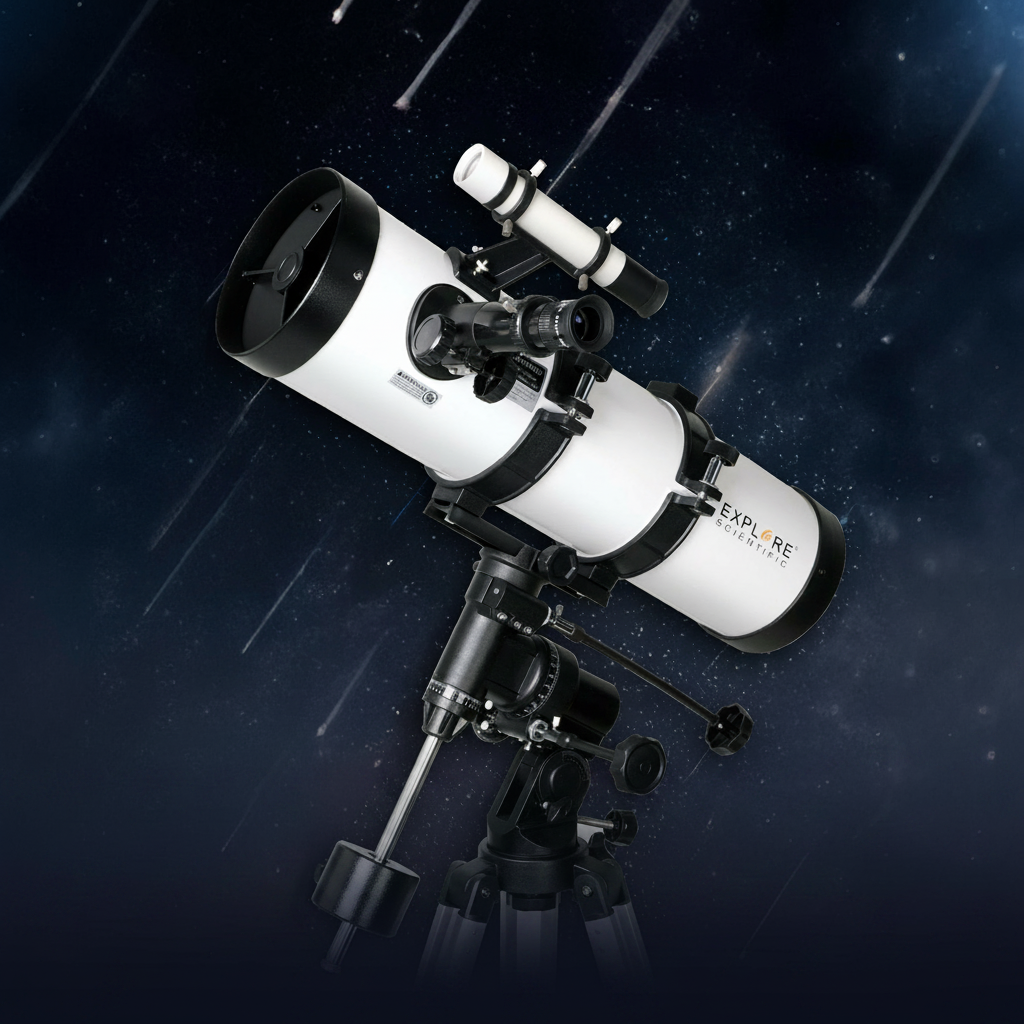
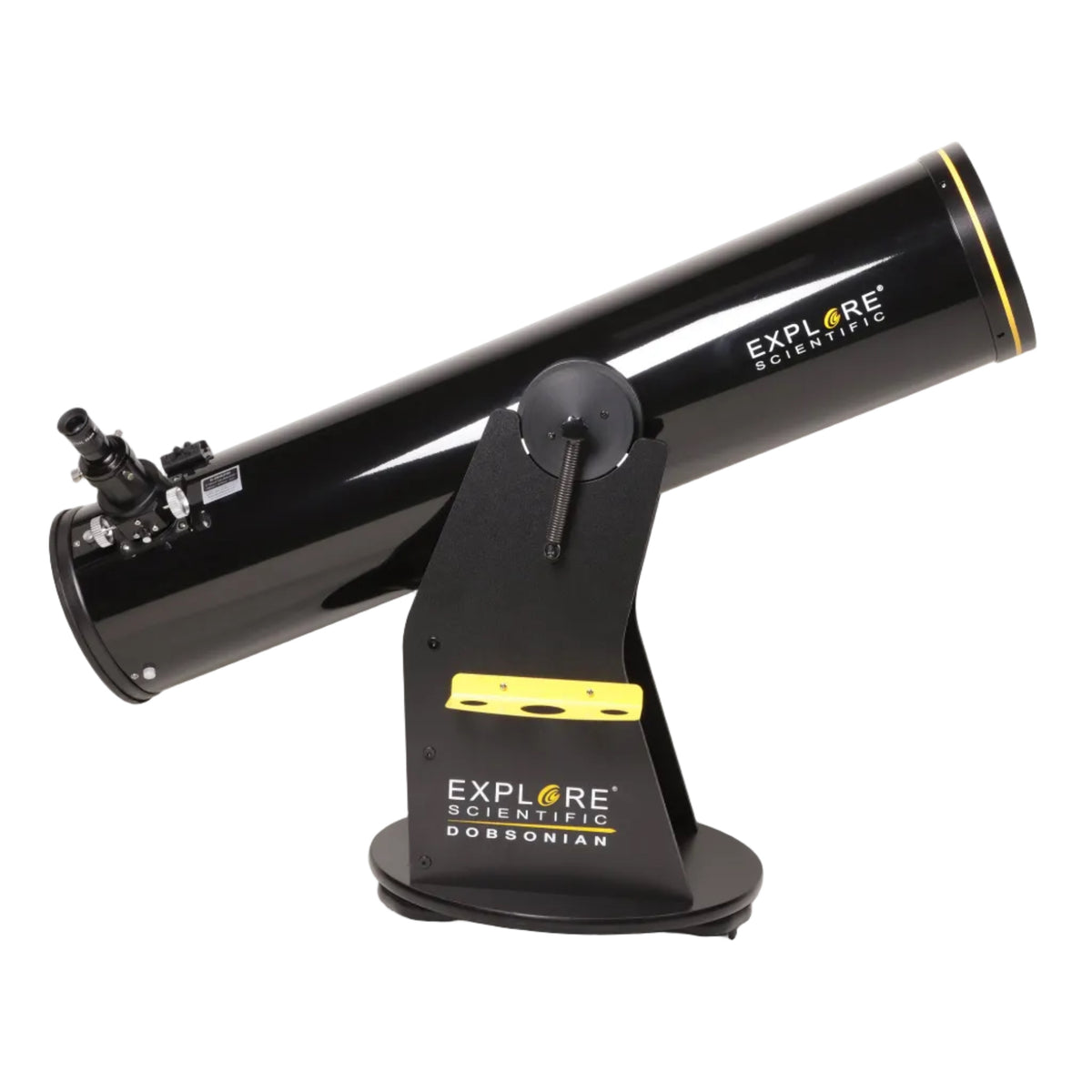
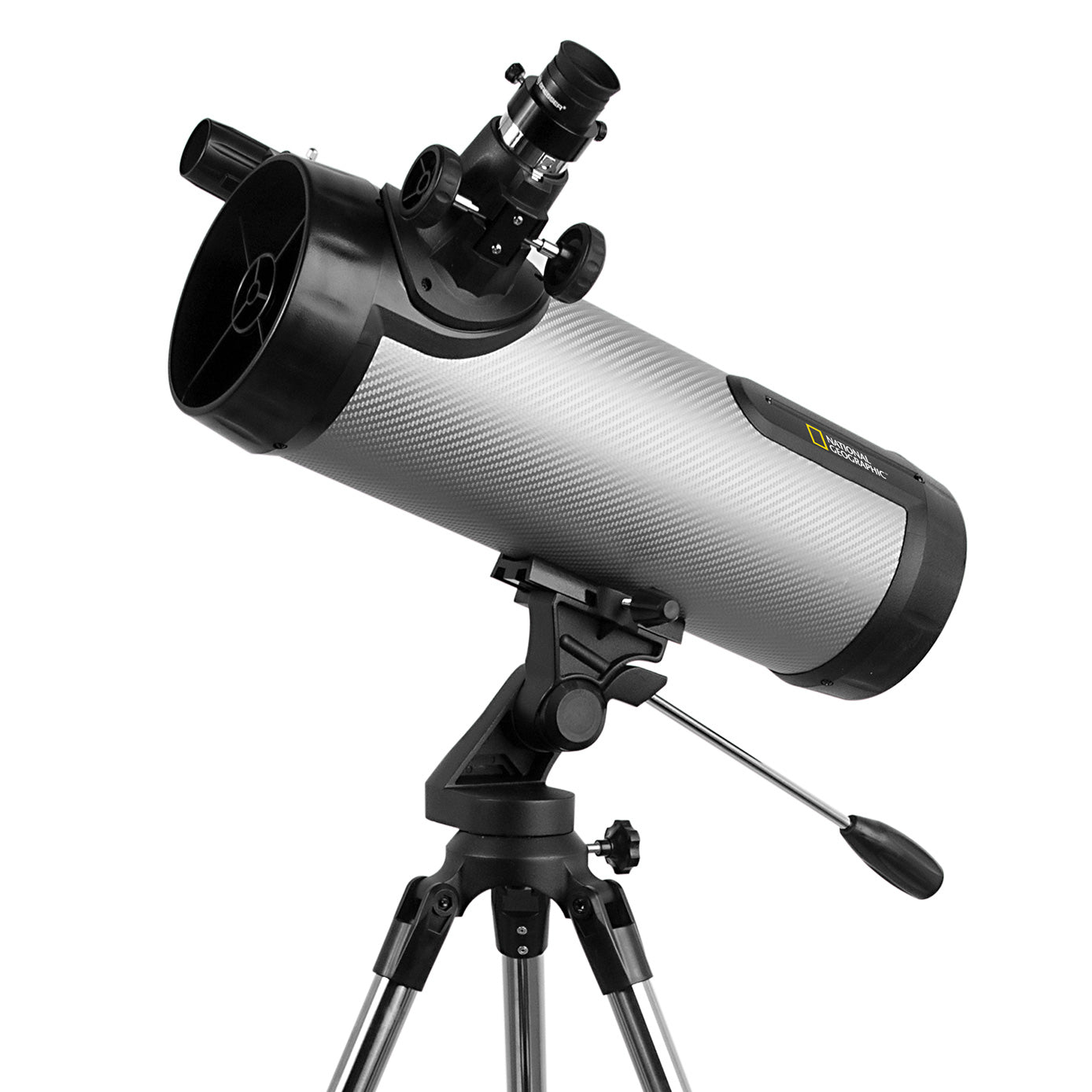
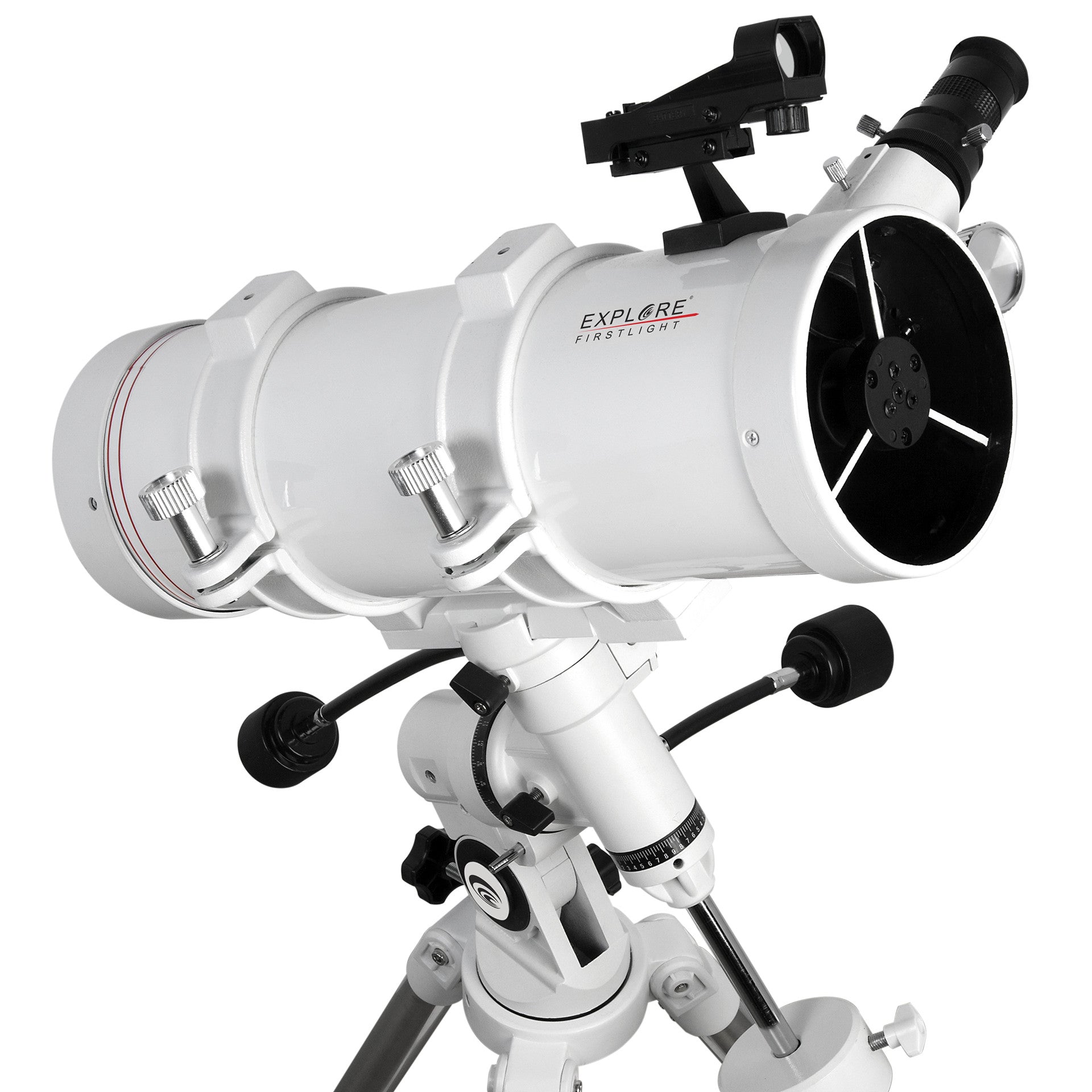
Reflector telescopes use mirrors to gather light, giving you the most aperture for your money for faint galaxies, nebulae and star clusters. Shop compact 114mm Newtonian reflectors on equatorial or alt-az mounts and big-aperture Dobsonian telescopes from 6-inch tabletop models to 10-inch truss tubes.
Filters
13 products






2 colors available


1 color available




Explore Scientific Expert Tips
Why Reflector Telescopes Excel at Deep-Sky Astronomy
Reflector telescopes are among the most popular astronomy telescopes thanks to their ability to gather large amounts of light and reveal faint celestial objects. Whether you're interested in observing galaxies, nebulae, star clusters, or planets, reflector telescopes offer exceptional performance and value. Explore the information below to learn more about Newtonian and Dobsonian designs, telescope aperture, and how reflector telescopes can enhance your stargazing experience.
A reflector telescope uses mirrors instead of lenses to collect and focus light. Most amateur reflector telescopes are Newtonian reflectors, a design known for delivering large apertures and excellent light-gathering capability at an affordable price.
Reflector telescopes typically offer more aperture per dollar than other telescope types. The larger mirror gathers more light, making faint galaxies, nebulae, and star clusters easier to see and more detailed.
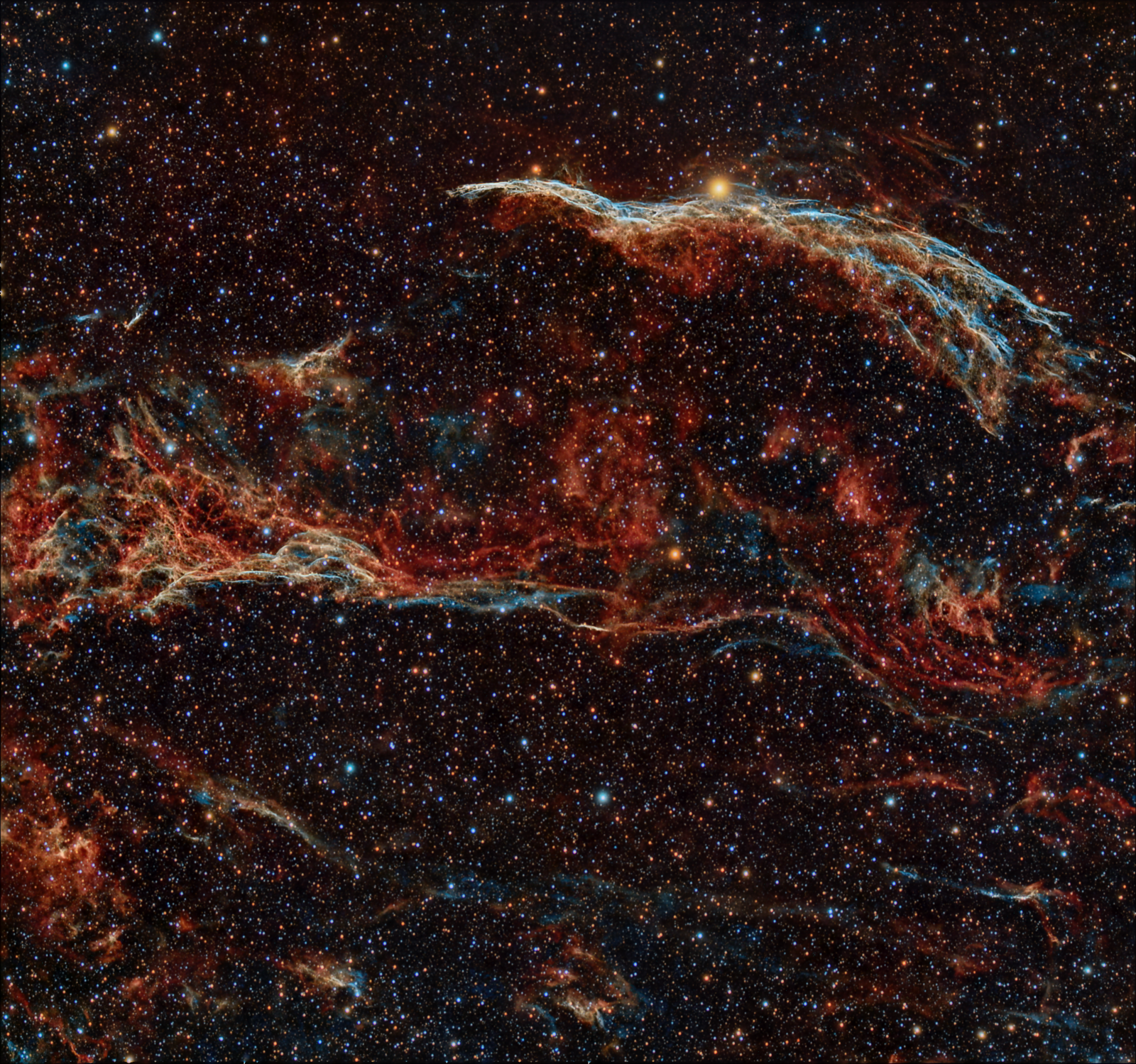
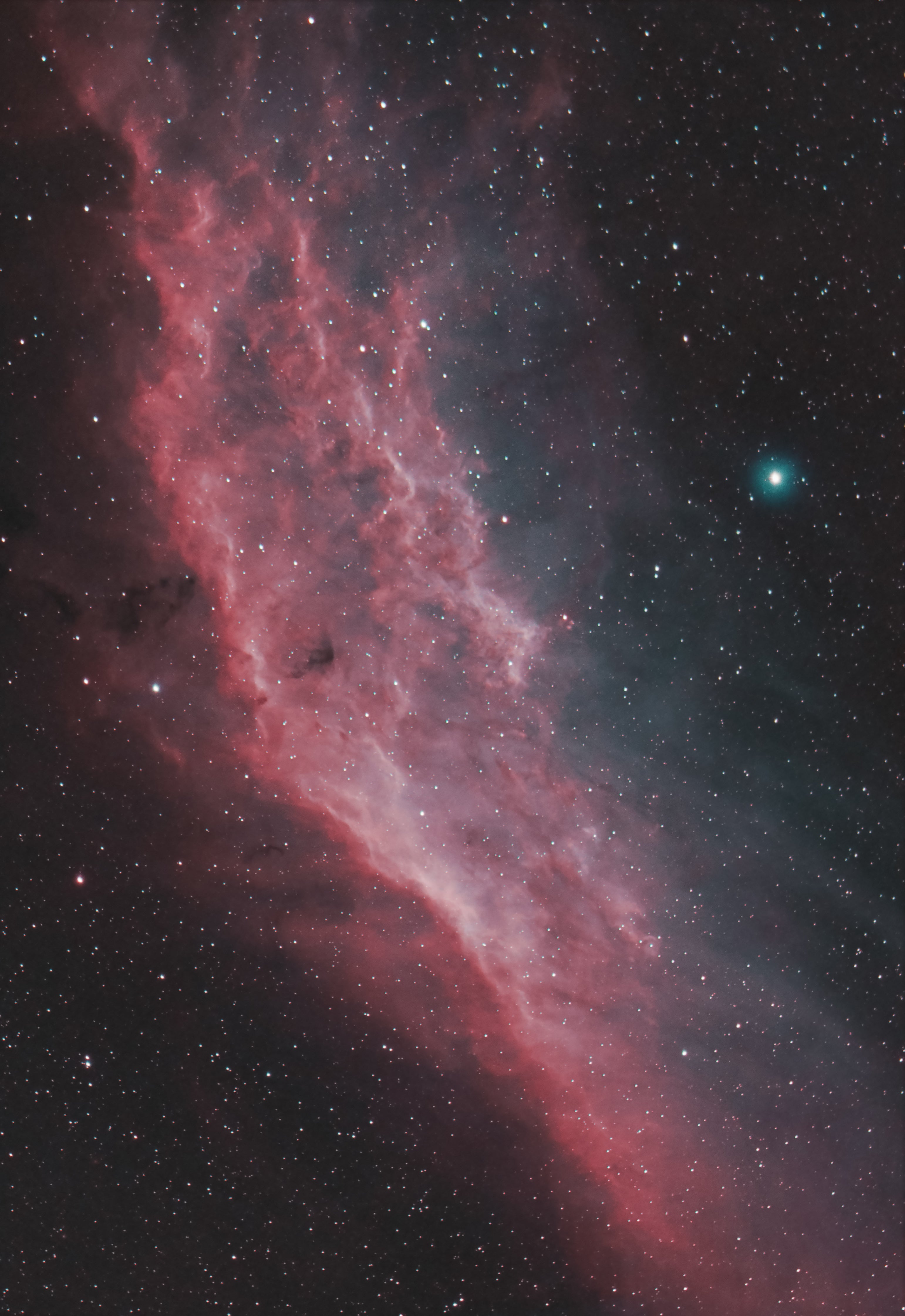
A reflector telescope can show the Moon, planets, star clusters, nebulae, and distant galaxies. Larger reflector telescopes are particularly effective for observing deep-sky objects that require substantial light-gathering power.
Yes. Many beginner astronomers choose reflector telescopes because they provide excellent performance for the price. Entry-level Newtonian reflectors and Dobsonian telescopes can deliver impressive views while remaining affordable.
Reflector telescopes use mirrors, while refractor telescopes use lenses. Reflectors generally provide larger apertures for the cost and excel at deep-sky observing, whereas refractors are known for sharp, high-contrast views and low maintenance.
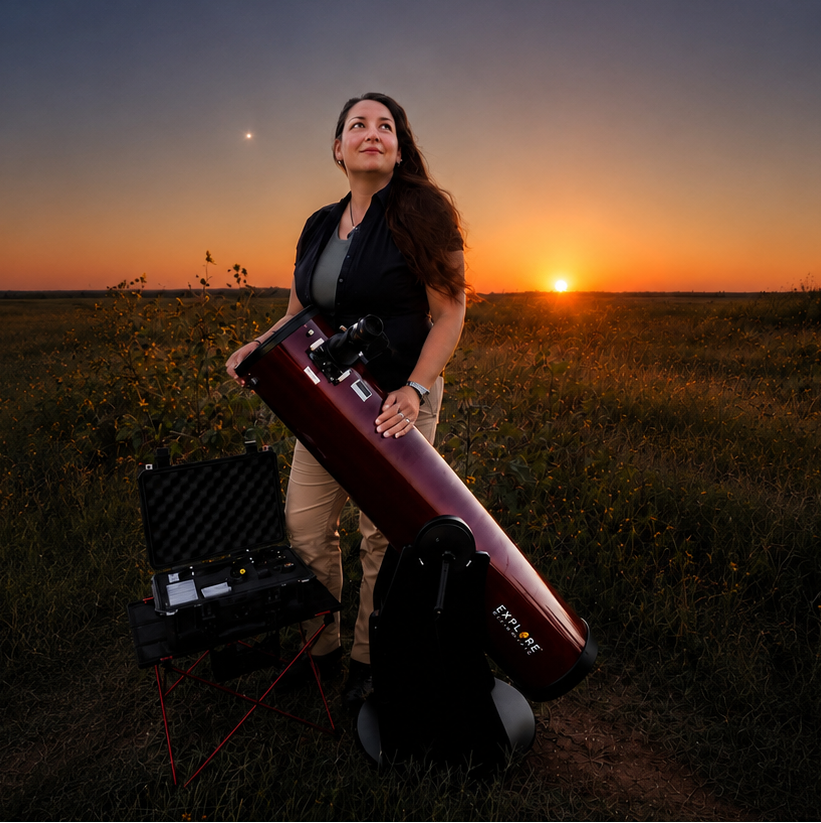
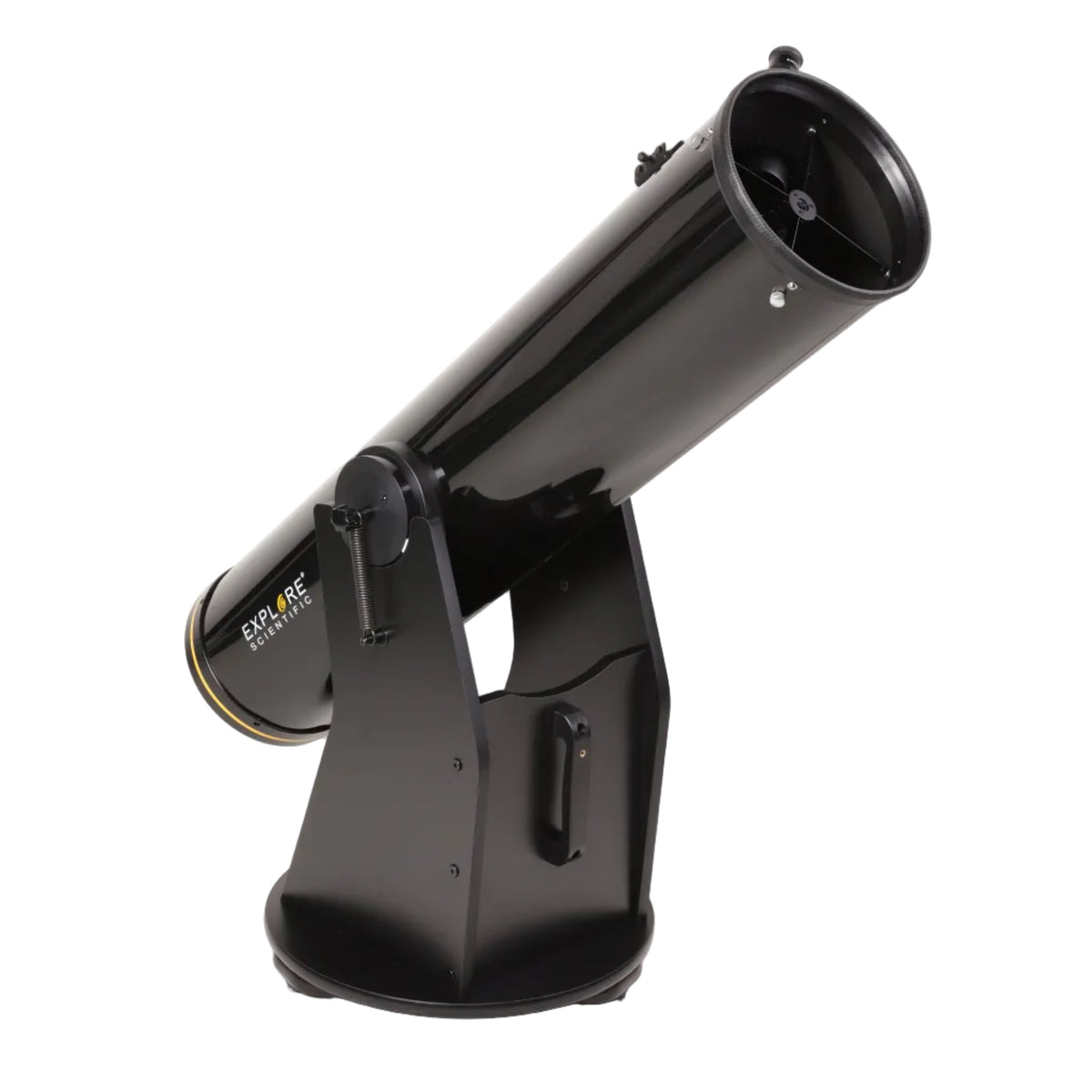
A Dobsonian telescope is a type of Newtonian reflector mounted on a simple, stable alt-azimuth base. Dobsonians are popular because they provide large apertures, easy operation, and outstanding value for visual astronomy.
Yes. Reflector telescopes occasionally need collimation, which is the process of aligning the mirrors for optimal performance. Most observers find the procedure straightforward, and proper collimation helps achieve the sharpest possible views.
Many reflector telescopes are excellent for astrophotography, especially Newtonian reflectors designed for imaging. Their large apertures and fast focal ratios make them effective for capturing deep-sky objects such as galaxies and nebulae.
For beginners, a 114mm to 150mm reflector telescope can provide excellent views while remaining easy to transport. More experienced observers often choose 8-inch, 10-inch, or larger reflector telescopes to maximize deep-sky performance.
Deep-sky objects are often faint and require significant light-gathering ability. Reflector telescopes can achieve large apertures more economically than refractors, making them one of the most popular telescope designs for observing galaxies, nebulae, and star clusters.
Explore Scientific | Reflector Telescopes