



With plunging temperatures and snowy conditions, the last thing many Northern Hemisphere dwellers want to do at this time of year is head outside. However, for amateur astronomers, winter’s combination of crisp air and long dark nights are a siren’s call. And, if mythology has shown us one thing, answering a siren’s call involves risk. When temperatures dip near freezing, intrepid cosmic explorers need to take some simple precautions to avoid some pretty serious pitfalls. Keep reading for some seasonal stargazing tips to maximize enjoyment while minimizing risk!
Why risk it?
Winter is an excellent time for stargazing for a few reasons. The most obvious is that longer nights mean more observing and imaging time. It also means you can start your observations earlier in the evening – which is great if you are not a night owl or if you have some young observers that cannot push bedtime. Beginners can use the extra inky hours to practice basic skills like star-hopping, and, luckily, the Northern Hemisphere’s winter season showcases Orion, which is one of the most recognizable constellations AND a key starting point for finding brilliant stars – like Sirius; deep sky favorites – like the Pleiades; as well as other constellations – like Taurus. More experienced astronomers will love the extra hours to focus on skills like long-exposure astrophotography that can capture fainter, more-elusive celestial targets.
Another benefit of winter stargazing is more opportunities for favorable atmospheric conditions. Winter air is less humid – meaning there’s fewer chances for pesky water vapor to create haze that scatters light, dulls the sky and spoils your views. Colder ground temperatures also mean less turbulence because the atmosphere is not plagued with mixing streams of cool and warm air. Less turbulence means steadier starlight.
Finally, each season presents a different version of the sky, so hibernating inside means you might miss the chance to spot or image some real treasures.
How do I prep for winter stargazing?
Getting ready for a night under the stars during cold weather DEFINITELY requires some extra precautions.
Although this should be obvious, our first tip is DRESS WARM! This means multiple layers - even if it is just chilly to start. When you layer, you have options to respond to changing conditions. If the temperatures are extremely low, you should not be out without a top layer of an insulated coat and insulated pants! Also, remember your fingers and toes are most susceptible to frostbite – so wear multiple pairs of socks and thick shoes – preferably boots – and consider adding a heat pack to stay extra toasty. If you are having to plod through snow to get to your observing sight, you should make sure your footwear is waterproof.
Gloves are a must when stargazing in the cold. Thick gloves can present a challenge because tasks like switching out eyepieces or adjusting focus require dexterity. One solution is pairing thin or fingerless gloves with a pair of mittens or insulated gloves that can be slipped off when needed. If you are using a GoTo system, a pair of touchscreen gloves can keep your hands warm as you punch in targets or make other adjustments.
Another key tip for stargazing in cold weather is to set up your telescope in your chosen observing spot before nightfall if possible. Temperatures will plummet once the Sun sets so having all the assembly basics done when it is just a handful of degrees warmer can make a big difference. Just be sure to observe Sun safety precautions when getting your gear ready.
Once you are under the stars, you might want to set a timer on your smartphone to gently remind yourself when it is time to take a warming break. We know it is easy to get lost in the cosmos – especially when you have spent a lot of time searching for a particular target. We also know that once you are out in the cold, it is easy to get a false sense that you are warm enough. So, if you have a structure nearby, it can be a good idea to take some breaks from extreme cold. HOWEVER, remember your eyes have already adjusted to the dark so if you step inside and flip on a light you will have to start all over when you go back to observing.
What should I look for?

Jim Norwood captured this image of our Moon with the aid of an Explore Scientific iEXOS-100 GoTo Tracker Mount.
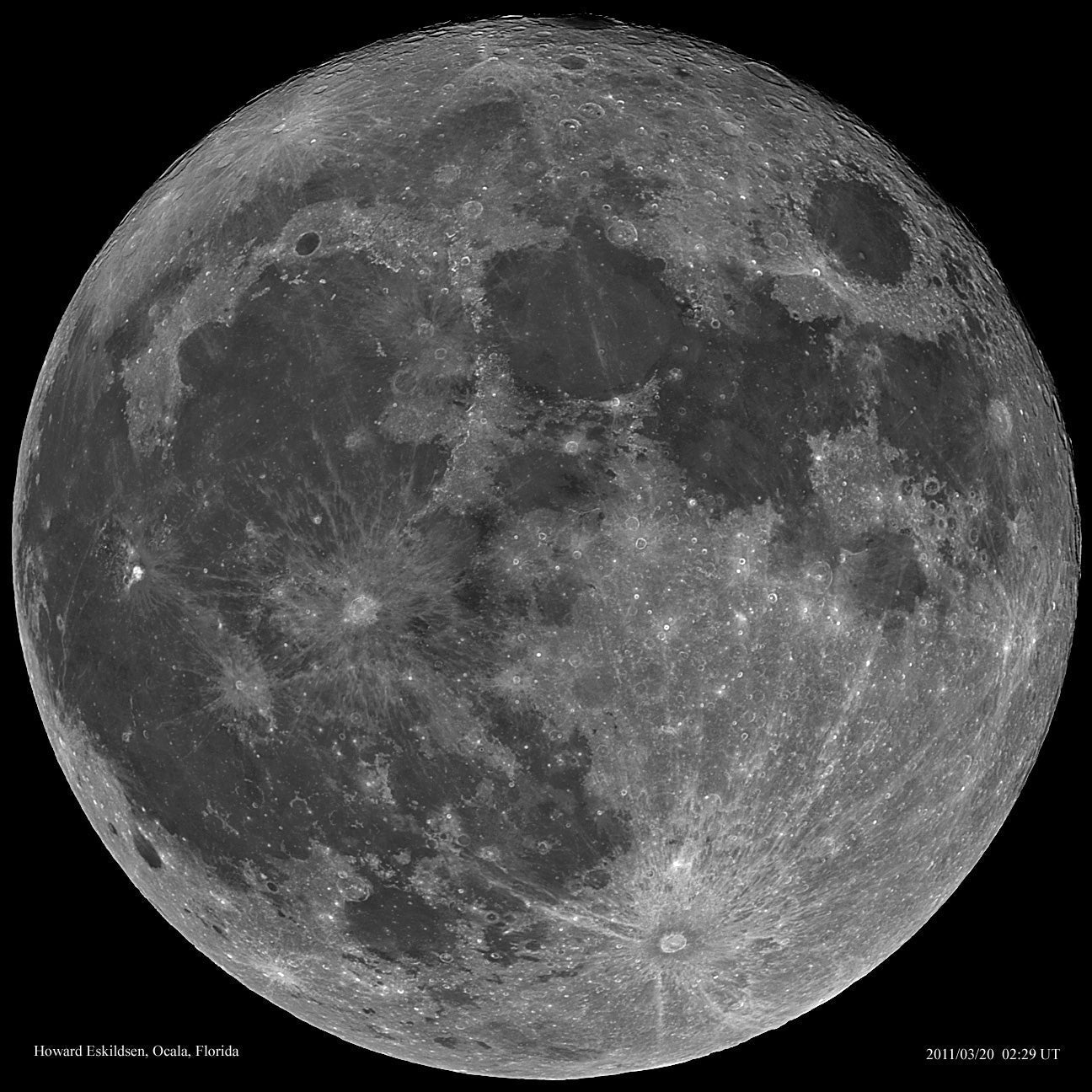
Moon – The lunar landscape is a classic for multiple reasons — it is the Earth’s only natural satellite, and it is the second brightest object in the sky (after the Sun). Although it is our closest neighbor, a lot of people have never really taken a good long like at the Moon. With your telescope, you should be able to see several interesting lunar features. These include lunar maria, which appear as vast plains, and some of the larger craters. Beginning astronomers may think the best time to explore the Moon is during its Full phase. But, it’s actually one of the worst times because it will be so bright. The best views are found along the terminator, which is the edge where the visible and shadowed portions of the Moon meet, so you should shoot for viewing during the quarter phases.

Astrophotographer John Bellisario captured this image of the Orion Nebula, also known as Messier 42, with the aid of an Explore Scientific ED80 Triplet Refractor.
Orion Nebula – As mentioned earlier, the Orion constellation is a key player in the Northern Hemisphere’s winter skies. The constellation is home to the Orion Molecular Cloud Complex – a vast region of star formation filled with notable nebula. One of the most famous is the stunning Orion Nebula, which is in the sword that branches off Orion’s Belt. Also known as Messier 42, this diffuse nebula is about 1,500 light years away and is bright enough to be visible to the unaided eye – although it will appear as a fuzzy patch. But a telescope turned in M42’s direction can resolve that fuzzy patch into wispy filaments and billowing clouds of dust and gas and even reveal the four stars that comprise the Trapezium Cluster. Other popular imaging targets in the Orion Complex include the dark nebula known as the Horsehead Nebula and the nearby Flame Nebula – an emission nebula, as well as the reflection nebula Messier 78.

Astrophotographer Larry Byrge captured this image of the Pleiades star cluster with the aid of an Explore Scientific ED102 Air-Spaced Triplet Refractor.
Pleiades Star Cluster - The storied Pleiades star cluster with its brilliant blue stars is a popular target for observing with the unaided eye, binoculars, a telescope or all three! Also known by the names Messier 45 or the more poetic Seven Sisters, the open star cluster is fairly young, having formed within the last 100 million years, and lies relatively close to Earth at about 440 light years away. Found in the Taurus constellation, it consists of more than 1,000 confirmed stars, although an average of only six are visible to the naked eye. A dark sky free of light pollution can help a dedicated observer see around a dozen Pleiades stars, but a good pair of binoculars or a low-power telescope can quickly reveal the more elusive members of this legendary cluster.

Astrophotographer Larry Byrge captured this image of the Andromeda Galaxy with the aid of an Explore Scientific ED102 Triplet Refractor.
Andromeda Galaxy - Winter’s early-onset dark skies make a perfect stage for amateur astronomers to view the beauty of the bright Andromeda Galaxy. Located at about 2.5 million light years away from Earth, the Andromeda Galaxy is the closest major galaxy to our own Milky Way. Although it is the most distant object the naked eye can see, binoculars can be a handy aid for locating the galaxy, and a telescope will reveal its spiral details and its much smaller companion galaxies known as M32 and M110. To locate the galaxy, find the Great Square of Pegasus in the early evening sky and look for two streams of stars that shoot off of it into the Andromeda constellation. An imaginary line drawn up from the middle star of the bottom stream to the middle star in the upper stream, will point to Andromeda.
The above targets are just a small sampling of common celestial treats found in winter skies. A planisphere or GoTo system can help you plot out and locate even more options to observe from your coordinates. Just remember to stay warm and plan ahead so you can take full advantage of seasonal stargazing.


Laisser un commentaire
Tous les commentaires sont modérés avant d'être publiés.
Ce site est protégé par hCaptcha, et la Politique de confidentialité et les Conditions de service de hCaptcha s’appliquent.